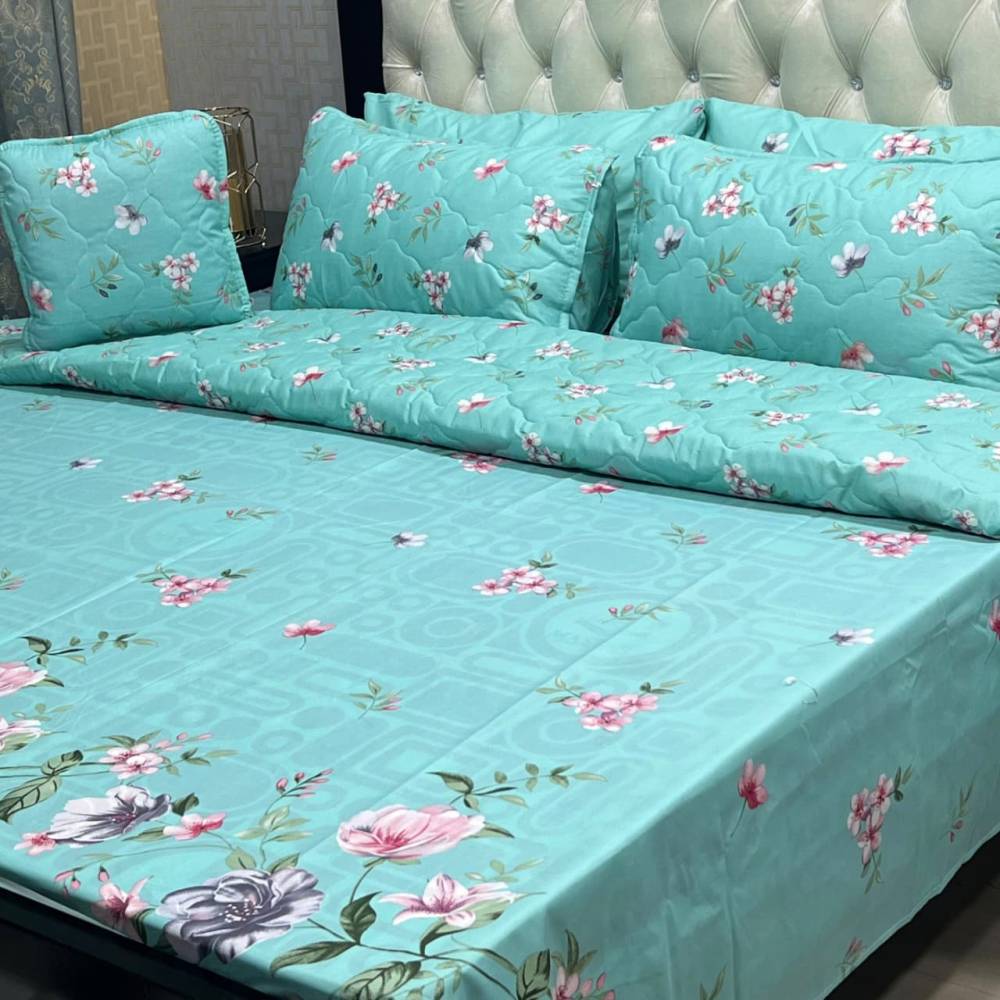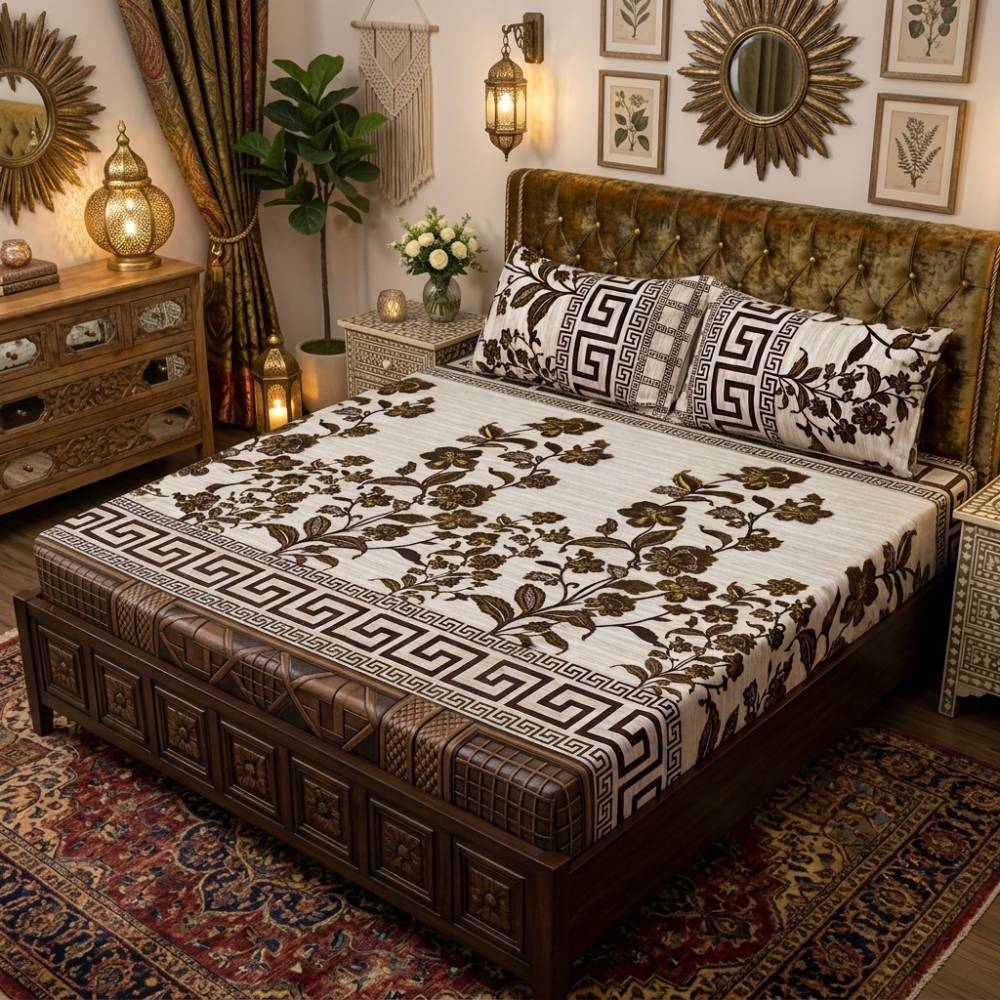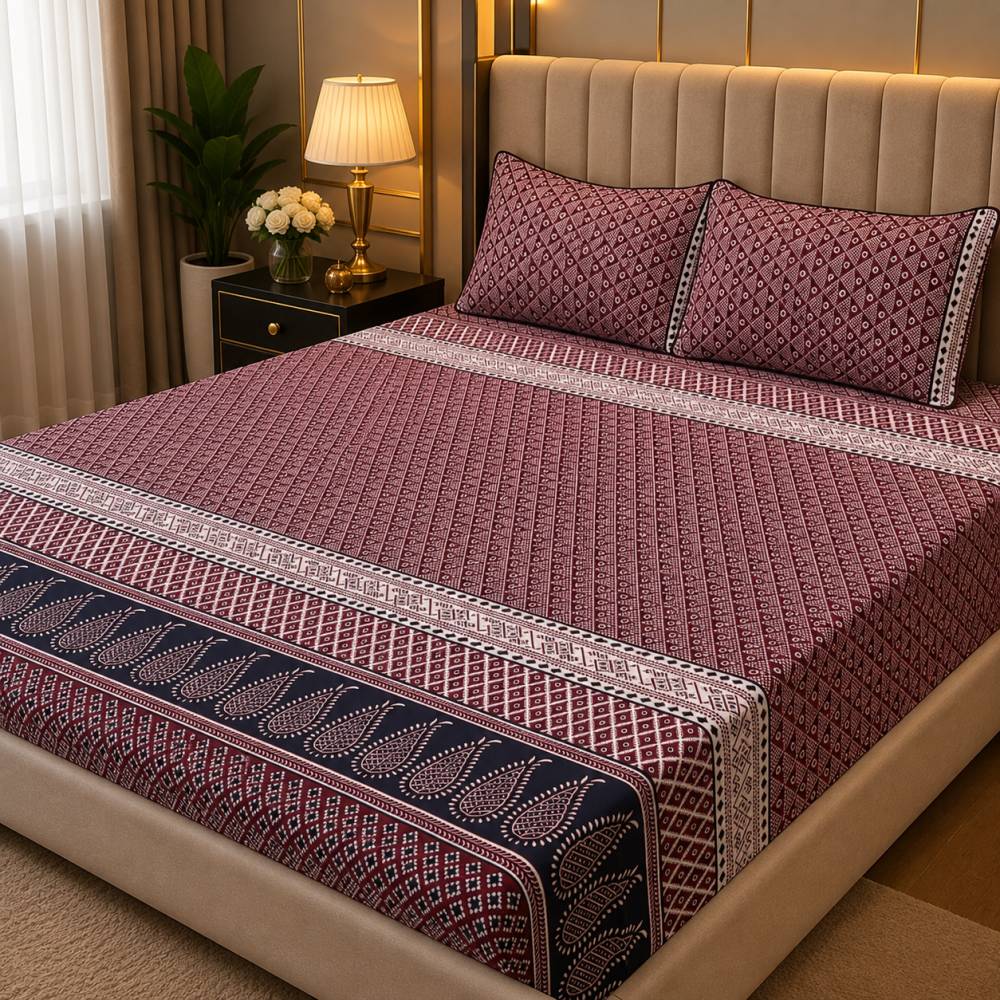
Walk into any bedding shop in Pakistan and the baby sets come with everything: a quilted comforter, a bumper that ties around all four sides, a pillow, neck rolls and a cot sheet. It looks complete and it photographs beautifully.
Several of those pieces are decorative rather than useful, and a few are the ones paediatric safe-sleep guidance specifically says to keep out of a cot. This is worth knowing before you buy, not after.
Safe sleep first, briefly
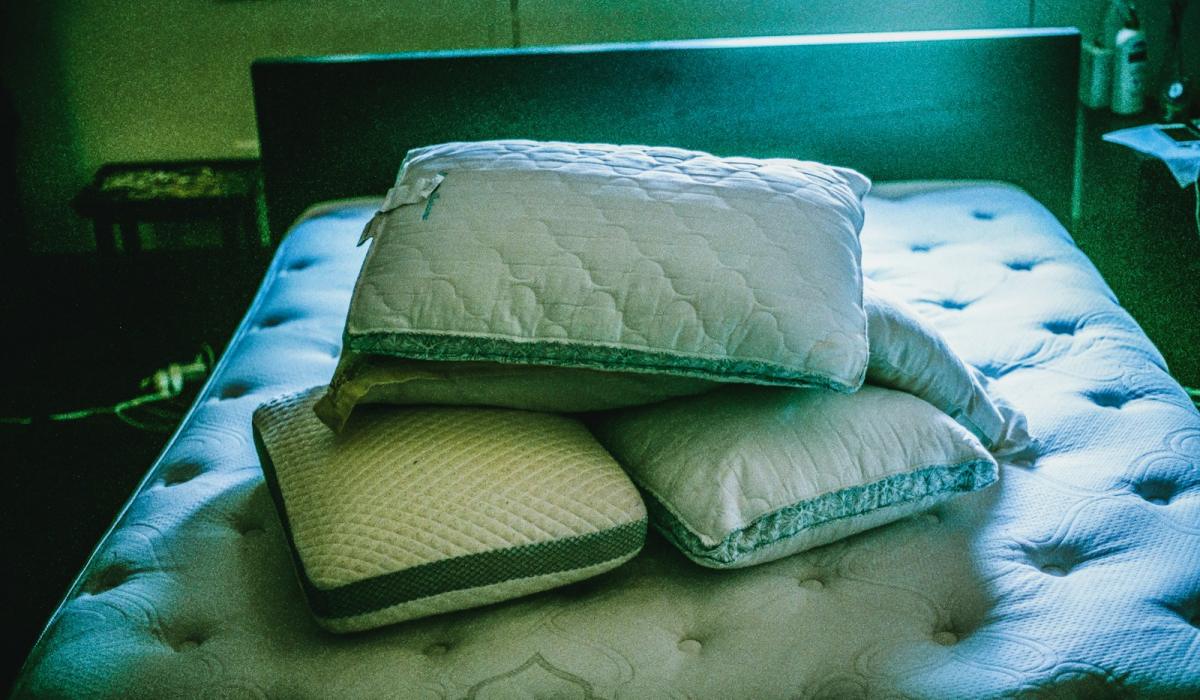
The standard guidance from paediatric bodies, including the American Academy of Pediatrics, is simple: for a baby under one, a firm mattress with a fitted sheet and nothing else loose in the cot. That means no pillows, no quilts or comforters, no bumpers and no soft toys while the baby sleeps.
So a six-piece set is not wrong to own — the comforter and bumper can be used for tummy time, a pram, or the cot later when the child is older. They should simply not be in the cot with a sleeping infant. Keep the baby warm with a sleeping bag or a well-fitted sleepsuit instead of a loose quilt.
We sell bedding, not baby products, and this is general guidance rather than medical advice — your paediatrician is the right person to ask about your own child.
What is actually worth having
| Item | Verdict |
|---|---|
| Waterproof mattress protector | Essential. The one thing you will be glad of at 3 a.m. |
| Fitted cot sheets, two or three | Essential. You will change them often |
| Sleeping bag or sleepsuit | Useful — replaces a loose quilt |
| Quilted comforter | Not in the cot under one year; fine later |
| Cot bumper | Not recommended in the cot at all |
| Baby pillow and neck rolls | Decorative; not for a sleeping infant |
| Muslin squares | Genuinely useful for everything |
The mattress protector question
This is the single most useful purchase for any child's bed, from the cot right through to primary school age. A mattress cannot be washed; a protector goes in the machine. Without one, a few accidents are enough to make a mattress permanently smell, and that mattress is then thrown away years early.
Two things to check when buying:
- Waterproof and breathable are not the same thing. A plain plastic sheet is waterproof and will make the child sweat. What you want is a waterproof layer underneath a fabric or quilted top.
- It must be machine washable and dry reasonably fast, because you will wash it at awkward hours.
Our waterproof terry protector at Rs 2,300 has a soft cotton terry face over the waterproof layer, and the ultrasonic quilted protector at Rs 2,899 adds padding. The full range is in mattress protectors, and our guide explains why every bed needs one.
A useful trick for the toddler years: make the bed in layers — protector, sheet, second protector, second sheet. At 3 a.m. you strip the top two layers and the bed underneath is already made.
Sheets: fabric and fit
- Cotton, every time. Children sweat more than adults and polyester traps it. Our fabric guide covers the differences.
- Fit matters more than it does for an adult bed. A loose sheet that comes away in the night is a hazard for a baby and an annoyance for everyone else. Measure the cot mattress and check the stated inches.
- Darker or patterned prints for school-age children — they hide the marks that are coming anyway, and they survive frequent washing better than white.
- Own more sets than you think. Three for a cot is sensible; two is not enough once you have washed one at midnight.
Washing a child's bedding
- Wash new bedding before first use to remove factory finishes.
- Use a mild detergent and less of it, with an extra rinse. Residue is a common cause of skin irritation in young children.
- Skip fabric softener on cot bedding. It coats fibres and is a frequent irritant.
- Wash hot for accidents and illness, cold for ordinary washes to protect the print.
- Dry fully in sun where you can. Sunlight deals with marks and smells better than anything you can buy — our stain guide covers the specifics.
As they get older
Once a child moves into a proper bed, the bedding question becomes simpler, with three things worth remembering:
- Keep the protector. Accidents do not stop neatly at age three, and the mattress is the expensive part.
- Let them choose the colour. A child who likes their bed goes to it more easily, and a bedsheet is a cheap way to give them a say in their room.
- A cartoon print will be outgrown faster than the sheet wears out. A plain or simple pattern lasts longer; the toys and wall art can carry the character instead — our no-nails wall decoration guide covers putting those up without drilling.
Our crystal cotton sets are Rs 2,399 for a king size 3 piece set, with free delivery and cash on delivery anywhere in Pakistan, and our dust allergy guide is worth reading if anyone in the house wakes up sneezing.
Frequently asked questions
What should be in a baby's cot?
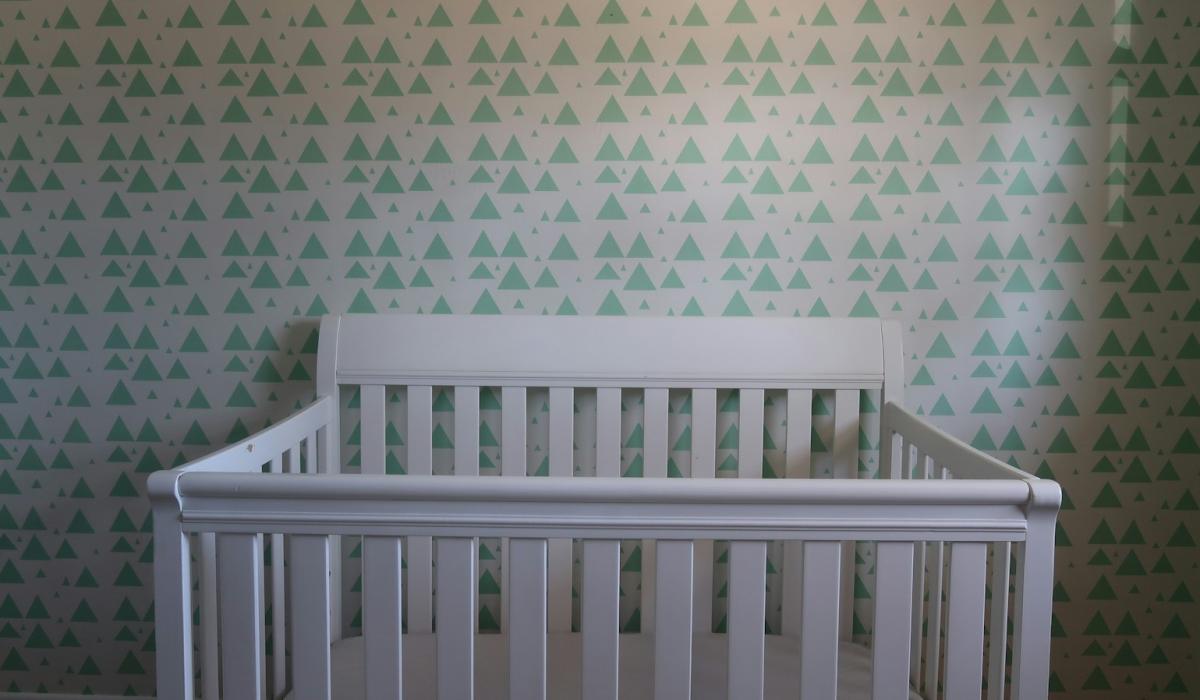
A firm mattress with a fitted sheet, and nothing else loose. Paediatric guidance advises keeping pillows, quilts, bumpers and soft toys out of the cot for babies under one year.
Are cot bumpers safe?
Current paediatric guidance advises against using bumpers in a cot. If a set includes one, keep it out of the sleeping area and ask your paediatrician if you are unsure.
Do I need a waterproof mattress protector for a child's bed?
Yes — it is the most useful item you can buy. A mattress cannot be washed, and a protector goes in the machine. Choose one with a fabric face rather than plain plastic so the child does not overheat.
Which fabric is best for children's bedsheets?
Cotton. Children sweat more than adults and synthetic fabric traps the moisture. Darker or patterned prints also hide marks and survive frequent washing.
How many cot sheets do I need?
At least three. You will change them more often than you expect, and two leaves you with nothing clean when one is in the wash and one has just been used.