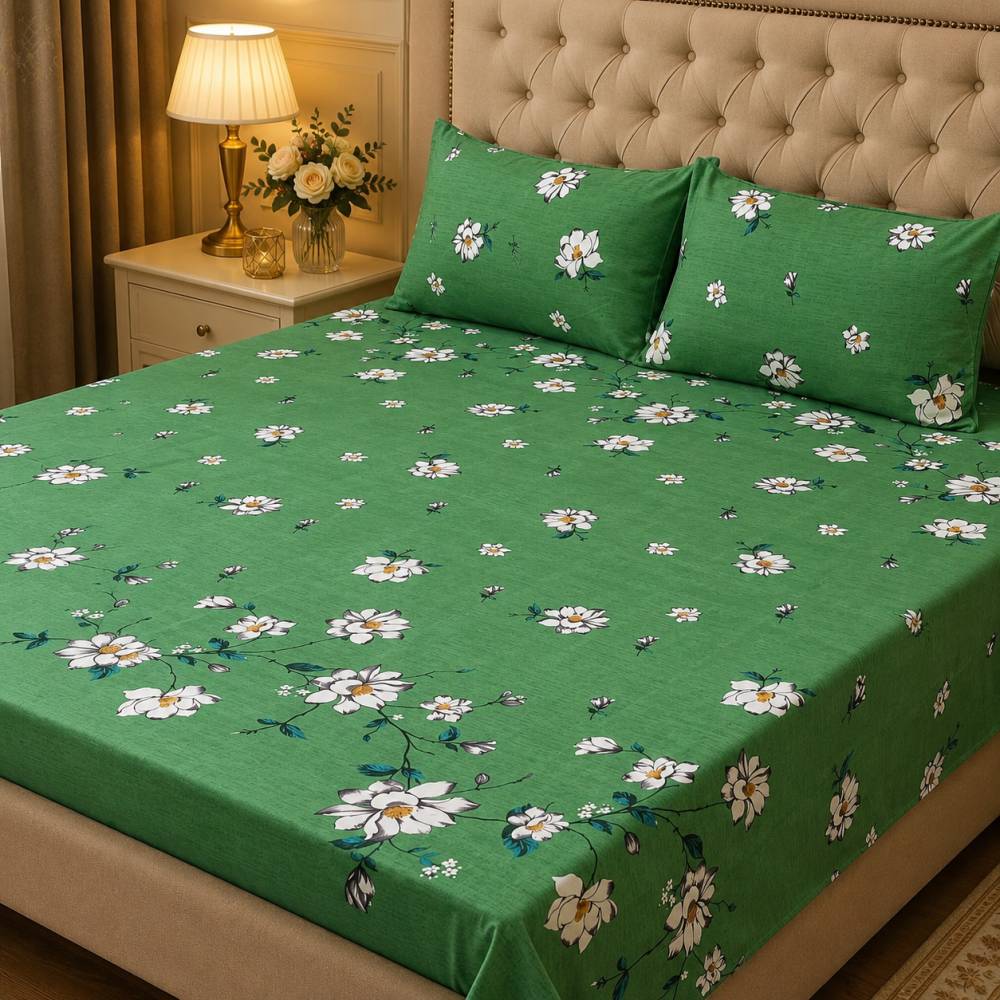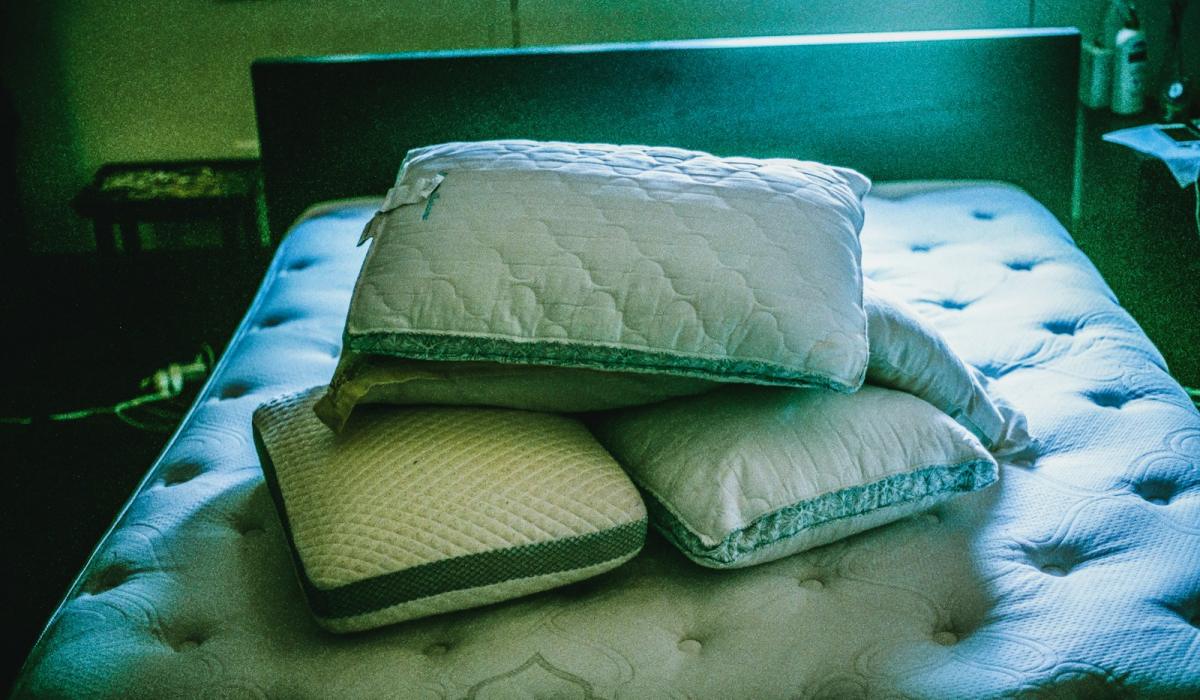
October is when it starts for a lot of households. The monsoon humidity has gone, the smog season is beginning in Punjab, windows stay shut more, and suddenly somebody in the house wakes up sneezing every morning with a blocked nose that clears by lunchtime.
That daily pattern — worst on waking, better by midday — is the signature of something in the bed rather than something outdoors. Here is what causes it and what genuinely helps, roughly in order of how much difference each change makes.
What you are actually reacting to
House dust is mostly dead skin, fabric fibres and, crucially, dust mites — microscopic creatures that live on shed skin. They are harmless in themselves; the allergy is to their waste.
They live where there is skin, warmth and moisture: the mattress, the pillows, the quilt, and the mattress base. A bed is close to an ideal habitat, which is why bedding is where the effort belongs, not the curtains.
1. Cover the mattress and pillows
This is the single highest-value change. A mattress cannot be washed, so over years it accumulates skin, sweat and everything that lives on them. A tightly woven protector puts a barrier between you and all of it, and unlike the mattress it goes into the machine.
- Use a protector with a close, tight weave — the barrier is physical, not chemical.
- Cover the pillows too. Pillows are worse than mattresses per gram, and they are right beside your face for eight hours.
- Wash the protector monthly along with the sheets.
Our mattress protectors come in quilted and terry versions; the ultrasonic quilted protector at Rs 2,899 is waterproof with a fabric face, so it breathes rather than sweating like plastic sheeting. The reasons are set out in why every bed needs a protector.
2. Wash bedding weekly, and wash it hot
Sheets and pillow covers every week; the quilt cover, razai cover and comforter cover every few weeks.
Here is the one place our usual advice reverses. For stains and colour, cold water is correct. For dust mites, you need heat — around 55 °C or above kills them, and a cold wash merely moves them around. The practical compromise in a Pakistani home:
- Wash the pillow covers and under-sheet hot, since those carry the most skin.
- Wash printed top sheets cold to protect the print, then dry them in full direct sun, which does much of the same work.
- Hanging bedding in strong sunlight for a few hours is genuinely effective and costs nothing.
Our washing guide covers keeping colour through frequent washing, which matters when you are now washing weekly.
3. Keep the room dry
Dust mites need humidity to survive. Below about 50% relative humidity they struggle badly.
- Run the AC or a fan with a window open for part of the day — moving air dries the room.
- Do not dry washing inside the bedroom. It is the fastest way to raise humidity.
- Strip the bed and leave the mattress bare for a few hours every month, ideally with sun in the room.
- Karachi's coastal humidity makes this harder than Lahore's; in that case the protector and the weekly wash matter even more.
4. Reduce what holds dust near the bed
| In the bedroom | Better option |
|---|---|
| Thick rug beside the bed | Bare floor, or a small washable mat |
| Soft toys on the bed | Keep them on a shelf; wash or freeze them monthly |
| Open shelves of books and ornaments | Closed cupboard, or move them out of the bedroom |
| Heavy decorative cushions, never washed | Fewer cushions with removable, washable covers |
| Bedding stored uncovered in the almirah | Stored in a closed bag or box |
Cushions are worth a thought rather than a cull — covers that come off and go in the machine are the point, as our cushion styling guide and the cushion and pillow covers show. A bedroom with a few washable pieces is easier to keep clean than one with many that cannot be washed.
5. Clean in the right order
- Damp cloth, not a dry duster. Dry dusting lifts dust into the air for it to settle again.
- Vacuum the mattress when you strip the bed, paying attention to the seams.
- Vacuum, then let the dust settle, then wipe surfaces — not the other way round.
- If you are the one who reacts, wear a mask while cleaning, or get somebody else to do it and stay out of the room for an hour.
What does not help much
- Air fresheners and sprays. They mask smell and add irritants. They do nothing to mites.
- "Hypoallergenic" labels on their own. Useful only if the fabric is genuinely tightly woven. The label is not regulated.
- Beating the mattress outdoors. It throws allergens into the air, much of it back into your face.
- Replacing cotton with polyester. Mites live on skin, not on cotton. Breathable cotton actually keeps the bed drier, which works against them.
And one genuine note of caution: if symptoms include wheezing, chest tightness or breathlessness, see a doctor. Bedding helps with the dust part. It is not a treatment for asthma.
A realistic weekly routine
- Weekly: sheets and pillow covers washed, floor cleaned with a damp mop.
- Monthly: mattress protector washed, mattress vacuumed and aired bare for a few hours.
- Each season: quilts, comforters and stored bedding aired in the sun before use — our changeover checklist covers this.
Owning two sets per bed makes the weekly wash realistic instead of aspirational, because one can be drying while the other is on the bed. Our crystal cotton king sets are Rs 2,399 with free delivery and cash on delivery anywhere in Pakistan.
Frequently asked questions
Why do I sneeze only in the morning?
Because you have spent eight hours close to the mattress and pillow, where dust mites live. Symptoms that are worst on waking and ease by midday point to bedding rather than outdoor air.
Does a mattress protector help with dust allergy?
Yes, more than anything else you can buy. A tightly woven protector blocks the allergens in the mattress and can be washed, which the mattress cannot.
How often should I wash bedding for allergies?
Sheets and pillow covers weekly. Wash the under-sheet and pillow covers hot, and dry printed sheets in full sunlight if you wash them cold to protect the print.
Do air fresheners or sprays help?
No. They cover smell and can irritate the airways further. Washing, covering the mattress and keeping the room dry are what actually reduce the allergen.
Is cotton or polyester bedding better for allergies?
Cotton. Dust mites feed on shed skin, not on the fabric, and breathable cotton keeps the bed drier, which makes the environment less suitable for them.