A mattress protector is the least interesting thing in a bedroom and the one with the best return. The mattress is usually the most expensive item in the room, it cannot be washed, and everything that reaches it stays there.
Our guide on why every bed needs one makes that case. This article is the next question: which one, and how to buy it so it does not end up in a drawer after a month.
The types
| Type | Feels like | Best for | Watch for |
|---|---|---|---|
| Quilted, waterproof backed | Padded, soft, barely noticeable | Most beds; adds comfort as well as protection | Bulkier in the wash |
| Terry, waterproof backed | Towel-like, thin, absorbent | Children's beds, hot sleepers, easy washing | Less padding |
| Plain plastic or PVC sheet | Crinkly, hot | Short-term emergencies only | Makes you sweat; tears |
| Cotton pad, not waterproof | Soft, breathable | Comfort and dust only | Liquid goes straight through |
| Zippered encasement | Encloses the whole mattress | Bed bug control specifically | Sold by pest suppliers, not bedding shops |
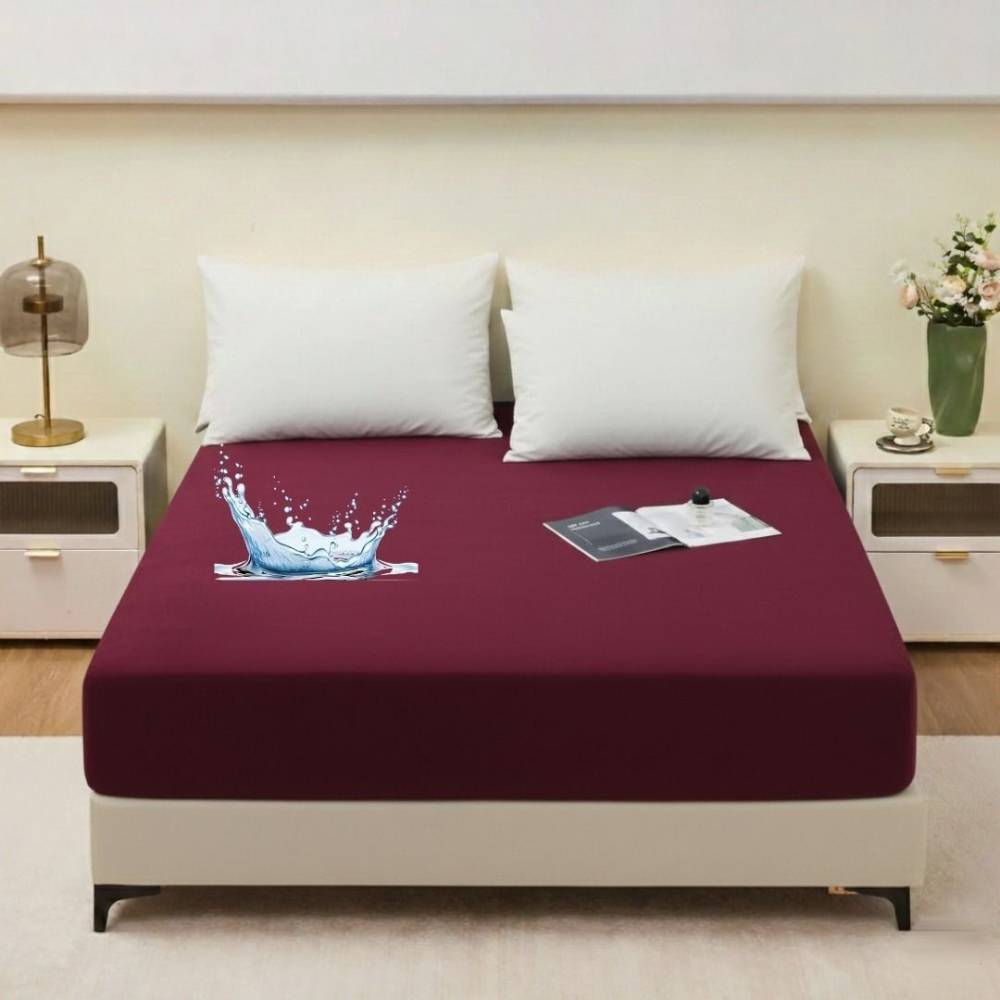
The decision that matters most: waterproof and breathable are not opposites, but cheap waterproofing makes them so. A plain plastic sheet is waterproof and will have you sweating by 2 a.m. A quilted or terry protector with a thin waterproof membrane under a fabric face does the same job without the heat. If a protector is uncomfortable, it comes off the bed and stops protecting anything — which is why this is the whole decision.
Getting the size right
- Measure the mattress width, length and depth. Depth is the one people skip, and the one that decides whether a fitted protector stays on.
- Check the stated pocket depth — the skirt that grips the sides. A protector made for an 8 inch mattress will not stay on a 12 inch pillow-top.
- If you are between sizes, go larger. A loose protector can be tucked; a tight one pings off a corner in the night.
- Allow for shrinkage, as with sheets — see do bedsheets shrink.
Mattress sizes in Pakistan vary between shops, so buy on inches rather than on the word "king" — our mattress sizes guide sets out the real numbers and where they disagree.
What a protector does and does not do
- Does: keep sweat, body oil and spills out of the foam — the things that eventually make a mattress smell, as our mattress smell guide explains.
- Does: reduce the dust and allergen load you sleep against, which matters for anyone who wakes congested — see dust allergy in the bedroom.
- Does: keep most mattress warranties valid, since many are void if the mattress is stained.
- Does: add a thin layer of insulation under you in winter — see layering a bed for winter.
- Does not: stop bed bugs. Only a certified zippered encasement does that, and we say so in our khatmal guide.
- Does not: fix a sagging mattress. Padding hides nothing once the support has gone.
Washing one without ruining it
The waterproof layer is a thin membrane, and heat destroys it. This is how most protectors die long before they wear out.
- Cold or lukewarm wash, gentle cycle. Never hot.
- No bleach, no fabric softener. Softener clogs the fabric face and reduces absorbency.
- Air dry, or tumble dry on low at most. High heat cracks or peels the membrane, after which it is just a pad.
- Wash monthly, and immediately after any accident or illness.
- Own two for a child's bed, so a 3 a.m. change does not mean a bare mattress — our baby and kids bedding guide covers the layering trick for that.
Which of ours suits which bed
- Waterproof terry protector — Rs 2,300. Thin, absorbent cotton terry face. The sensible choice for a child's bed or anyone who sleeps hot.
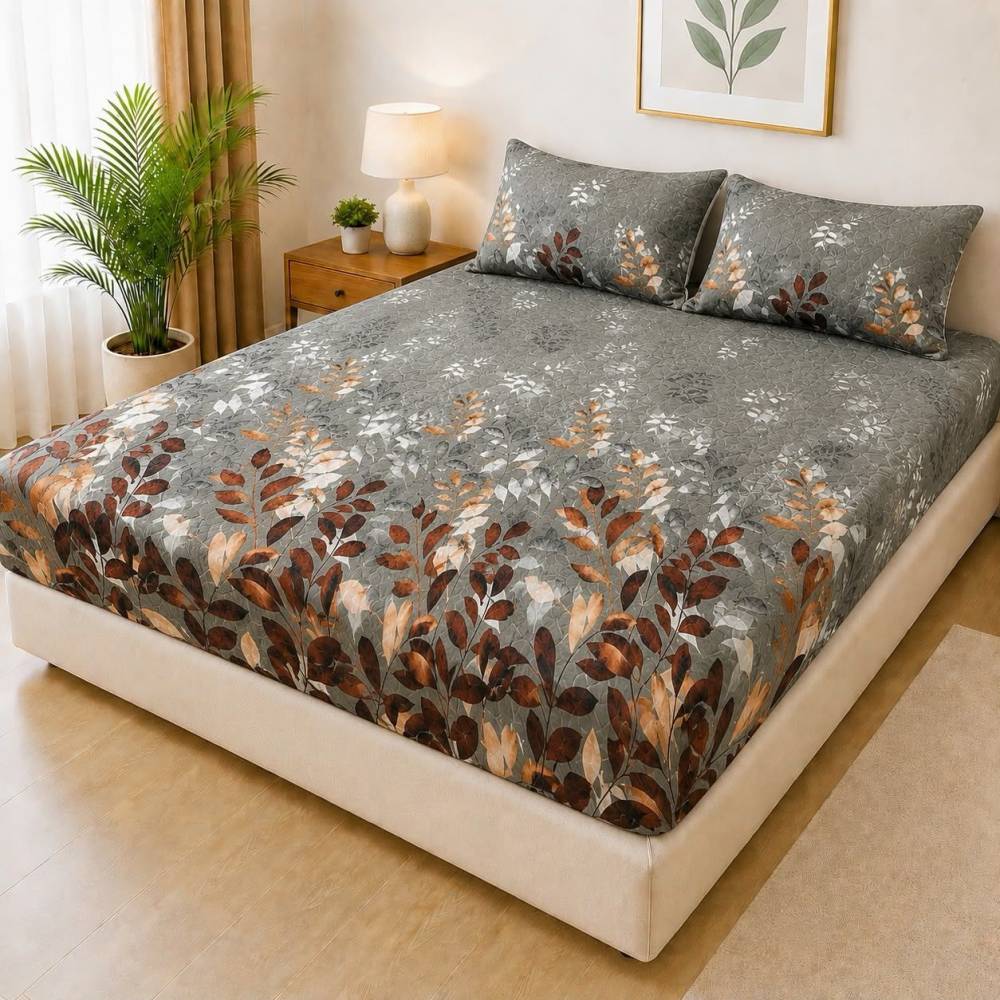
- Ultrasonic quilted protector — Rs 2,899. Quilted and padded with a waterproof layer; adds a little comfort as well as protection.
- Quilted waterproof protector — Rs 3,499. The heaviest padding of the three.
All of them are in the mattress covers collection, ship free anywhere in Pakistan with cash on delivery, and usually arrive in 3 to 5 working days. If you are not sure which size suits your mattress, send the measurements to 0332 3447976 on WhatsApp and we will tell you — including if the answer is that none of ours fits.
Frequently asked questions
Which mattress protector is best?
A quilted or terry one with a waterproof layer under a fabric face. Plain plastic sheets are waterproof but make you sweat, so they end up unused.
Will a mattress protector make me hot?
A good one will not. Heat comes from plastic or PVC surfaces, not from the waterproof membrane itself, which can sit under breathable fabric.
What size mattress protector do I need?
Match the mattress width, length and depth, and check the stated pocket depth. A protector made for a shallow mattress will not stay on a deep or pillow-top one.
How do I wash a mattress protector?
Cold or lukewarm on a gentle cycle, no bleach or fabric softener, and air dry or tumble dry on low. High heat damages the waterproof layer permanently.
Does a mattress protector stop bed bugs?
No. Only a certified zippered encasement that seals the whole mattress does that. An ordinary protector guards against sweat, spills and dust.