People replace a mattress when it sags, smells or hurts their back, and usually assume it simply wore out. Often it did not: it was never rotated, never aired, and slept on without anything between the body and the foam for years.
None of the fixes are expensive. Here they are in order of how much difference they make.
1. Put something between you and it
A mattress absorbs sweat every night — a significant amount over a year, even in winter. That moisture goes into the foam, where it feeds dust mites and eventually causes the smell that makes people throw a mattress out.
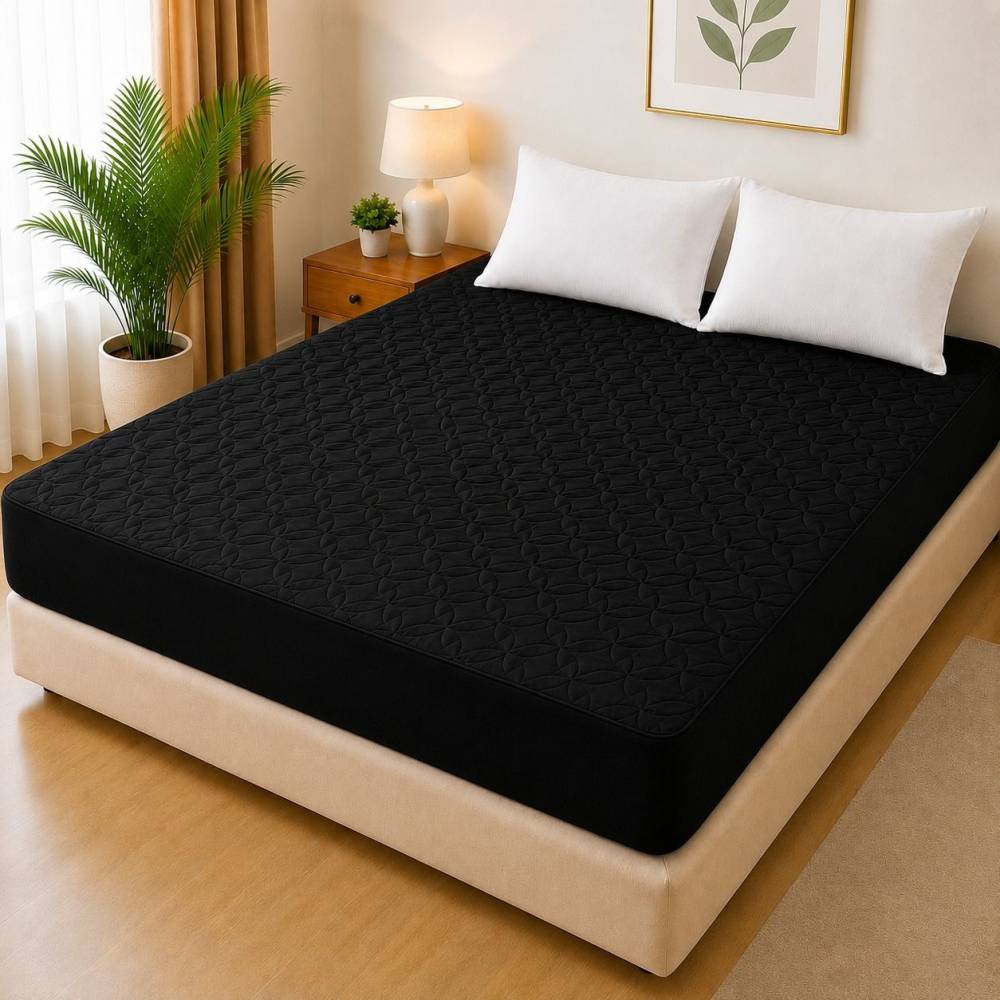
A washable protector takes all of that instead. It is the single highest-value habit on this list, because you can wash a protector and you cannot wash a mattress. A quilted waterproof protector also adds a padded layer, and our guide explains why every home needs one.
2. Rotate it every three months
Sleeping in the same spot compresses the same area of foam or springs, which is what creates the dip that eventually becomes permanent.
- Rotate head to foot every three months. Almost all mattresses sold in Pakistan are single-sided, so this is the right move.
- Flip only if the mattress is genuinely double-sided — flipping a one-sided mattress puts you on the support layer, which is uncomfortable and pointless.
- Tie it to something you already do: rotate it when the seasons change, at the same time as the bedding changeover.
3. Let it breathe
Strip the bed completely and leave the mattress bare for a few hours, ideally with a window open and some sun in the room. Do this every few months. It dries out the moisture that has built up and does more for the smell than any spray.
The same applies underneath: a mattress on a solid platform with no ventilation stays damp. If yours sits on a solid base, lift it and air both sides occasionally.
4. Clean spills properly, and quickly
- Blot, do not rub. Rubbing pushes liquid deeper into the foam.
- Use a barely damp cloth with a little mild detergent — never pour water onto a mattress.
- For smells, sprinkle baking soda, leave it an hour, then vacuum it off.
- Dry completely with a fan before putting bedding back. Damp foam grows mould that you cannot get out.
Better still, a waterproof protector means most spills never reach the mattress at all.
The mistakes that shorten a mattress's life
| Mistake | What it does |
|---|---|
| Sitting on the same edge daily | Collapses the edge support, so the mattress feels smaller and sags where you sit |
| Children jumping on the bed | Breaks springs and tears foam layers internally, long before anything shows |
| Weak or widely spaced bed slats | The mattress sags between the gaps and the warranty is usually void |
| Storing it folded or on its side for months | Permanently deforms foam |
| Soaking a stain with water | Moisture reaches the core and never fully dries |
| No protector, ever | Sweat, body oils and dust build up in the foam year after year |
When it really is finished
Maintenance cannot save a mattress that is genuinely worn out. Replace it when:
- There is a visible dip that is still there when nobody is lying on it.
- You wake with back or hip pain that eases during the day.
- You sleep noticeably better in other beds.
- Springs are audible or can be felt through the surface.
When you do buy a new one, fit a protector on day one — before the first night, not after the first accident.
While you are at it
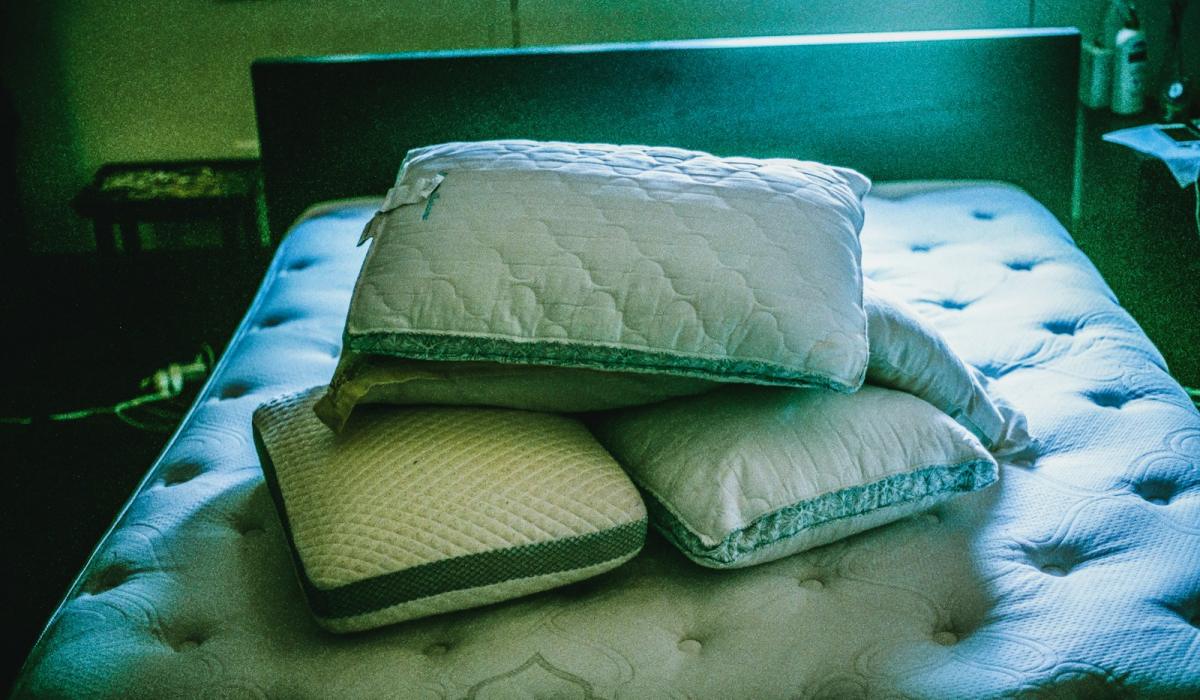
The day the mattress is bare is the best day to deal with everything else: check the pillows (fold one in half, and if it does not spring back it is finished), wash the bedsheets properly using our washing guide, and put a fresh set on the bed. Our crystal cotton sets are Rs 2,399 with free delivery and cash on delivery, and our mattress protectors come in plain and printed versions.
Frequently asked questions
How often should I rotate my mattress?
Every three months, head to foot. Rotate rather than flip unless the mattress is specifically made to be used on both sides.
How long should a mattress last?
Commonly seven to ten years, though a cheap foam mattress without a protector often sags much sooner, while a well-kept one lasts longer.
Can I wash a mattress?
No. You can spot-clean the surface with a barely damp cloth and vacuum it, but soaking it drives moisture into the core where it will not dry.
Does a mattress protector make the bed hot?
A quilted one with a fabric face does not. Cheap plastic-backed sheets do, which is why the waterproof layer should sit under a breathable quilted top.
Is it worth airing a mattress in the sun?
Yes. A few hours of dry air and indirect sunlight every few months removes built-up moisture and keeps it fresh.